


The Water Gold Rush
Inside America's Next Great Infrastructure Investment Opportunity - Invest In Old Proven Businesses in a Booming Sector That Is Difficult for New Companies to Enter
A once-in-50-years infrastructure window is opening as America races to rebuild the systems that deliver its most essential resource: water.
Billions of dollars are already moving into water infrastructure. Demand is rising. Experienced builders are scarce.
And for investors, there may be a way to participate directly in the companies positioned to do the work.
Join us live and reserve your seat
An investor briefing on the forces creating America's next major infrastructure cycle, the businesses positioned to benefit, and the ways an investor can participate in it — on their own, or alongside us. No investment is required to attend or to benefit from it.
What the returns are projected to look like
A potential federal tax exclusion you don't get in multifamily - make up to $10m profits with zero federal tax paid.
The investment is being structured with the goal of qualifying for Section 1202, also known as Qualified Small Business Stock (QSBS). If the requirements are met, qualifying investors who hold their investment for at least five years may be able to exclude eligible capital gains from federal taxes when the investment is sold.
That's a materially different outcome than multifamily, where depreciation benefits are recaptured at exit. QSBS has no recapture, which could mean keeping substantially more of the gain.
Depreciation benefits taken along the way are recaptured when the property sells.
No recapture. Eligible gains may be excluded from federal tax after a five-year hold.
We'll explain how the structure works, and what investors should know, during the webinar.
QSBS treatment depends on the entity, the business, the investor and the holding period. Nothing here is tax advice — talk to your own tax advisor about your situation.
Why investors should be paying attention now
Most investors hear "water shortage" and think drought.
Neal sees an infrastructure investment cycle.
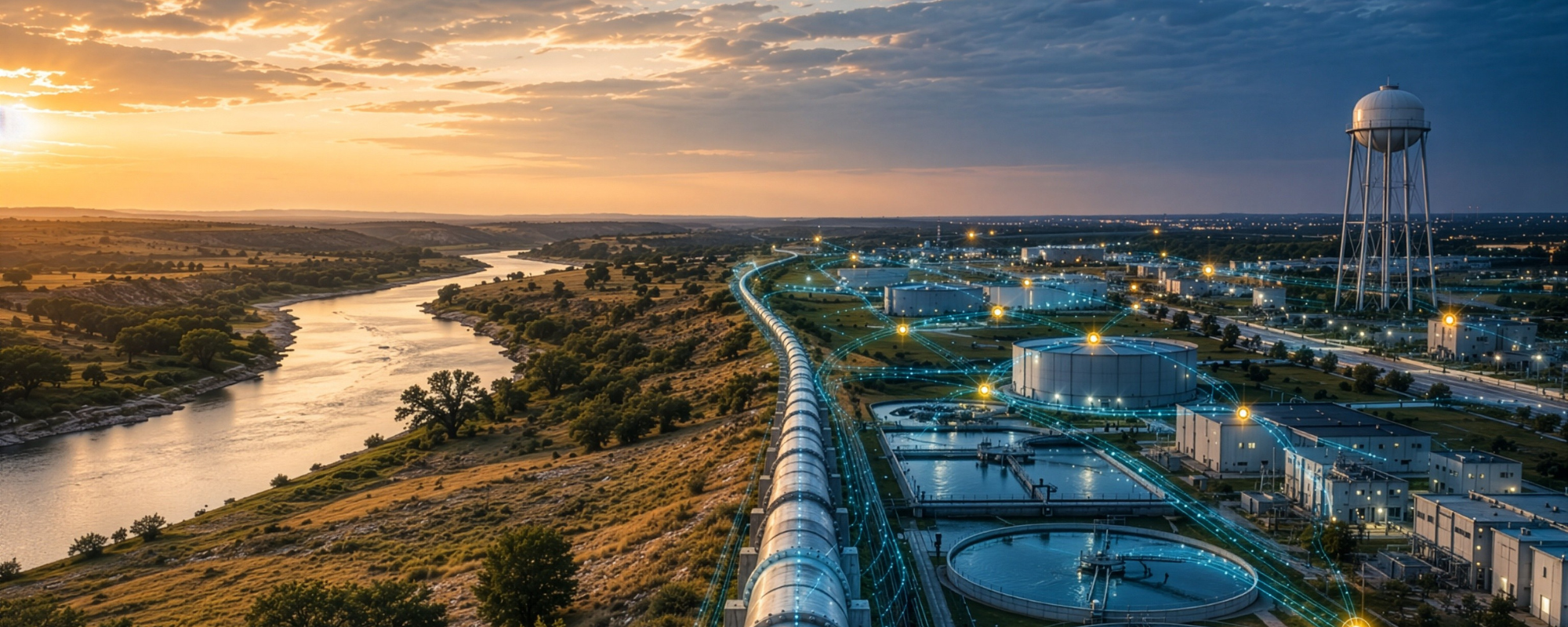
Texas has committed billions toward solving its water problems. Federal infrastructure dollars are moving into the sector as well. Meanwhile, municipalities and industrial users still need treatment plants, pipelines, pump stations, desalination systems and the companies capable of building and maintaining them.
The problem is that those companies are not easy to replace.
Experienced water infrastructure businesses require skilled crews, technical expertise and municipal relationships that can take decades to build.
That creates a potentially powerful setup:
More demand. More public capital. A limited pool of experienced builders.
Rising demand and public capital, a limited pool of builders.
During the webinar, we'll cover

The investment thesis starts with four forces
Demand that cannot easily be deferred.
Communities need reliable water. Industrial users need it too. As existing systems come under more pressure, infrastructure must be repaired, expanded or replaced.
Billions in committed public capital.
Texas has made water infrastructure a major funding priority while federal infrastructure programs are directing additional capital toward the sector.
Scarce operators.
The workforce is aging, and the market remains fragmented. There are relatively few experienced companies with the people, relationships and operating history required to execute these projects.
Timing.
The capital is being committed now, but much of the infrastructure still needs to be built. For investors, that gap between funding and execution is where the story becomes interesting.
Meet the businesses behind the thesis
During the session, Neal will cover what our own team is doing in Texas with this thesis, and provides a deep dive on the operating platform at the center of that strategy. Two businesses, bought together: one that builds the infrastructure, one that builds the controls that run it. You will see who they are, what they do, why they fit together, and why we think this window is open right now.
One company has spent roughly 50 years building water and wastewater infrastructure in South Texas.
Another provides the controls and automation that help those systems operate, along with recurring service and maintenance.
Together, they offer a glimpse into how investors may gain exposure to the infrastructure buildout itself.
Meet the leadership team
Neal hosts the session, and the CEOs of both operating businesses join him. You will hear the thesis from the people who built the companies, and you can put your questions directly to them.
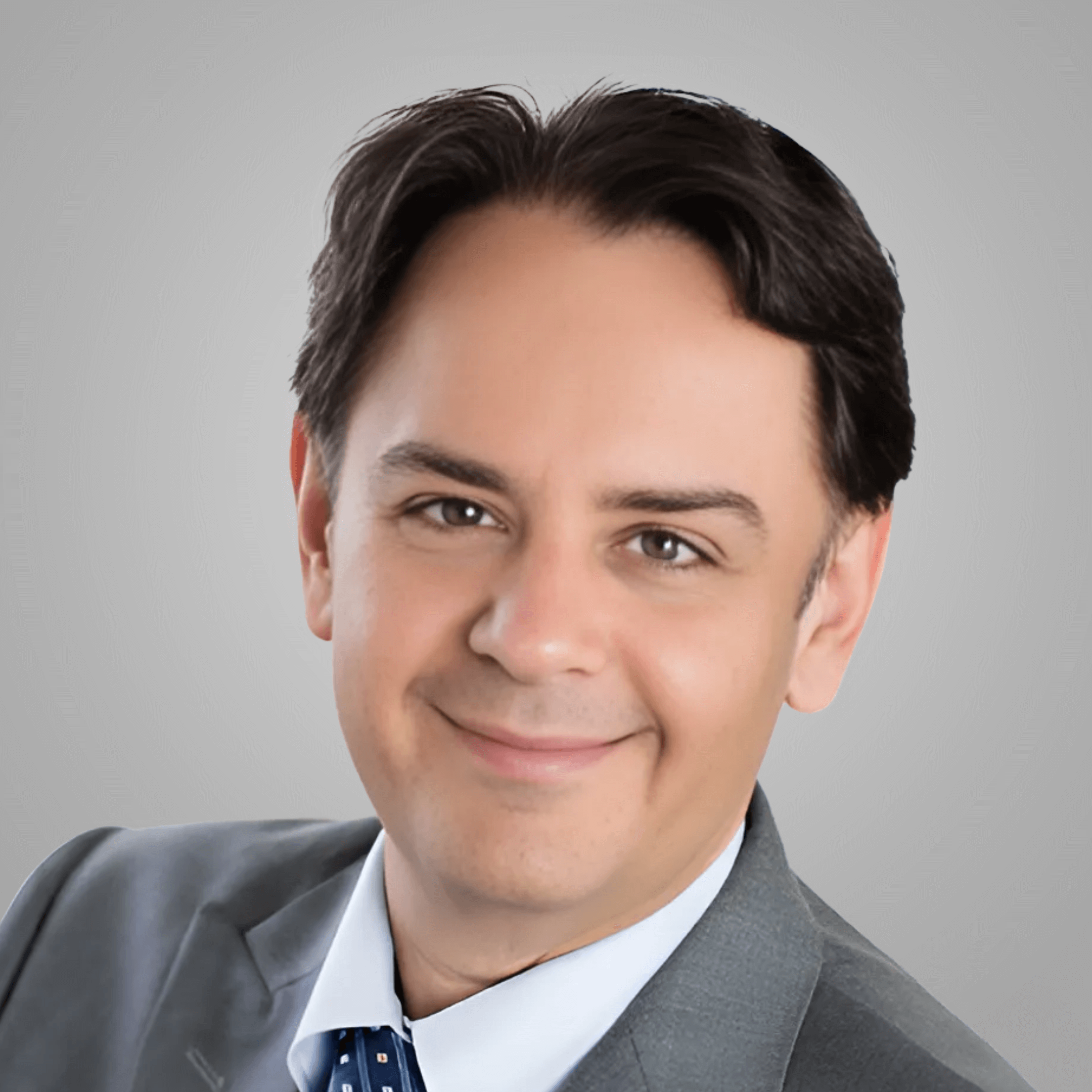
Neal walks investors through the data behind the water infrastructure thesis, the capital moving into the sector, and the bottlenecks that could determine the winners. He has led 25 projects across 11 states for more than 1,300 investors, and he hosts the session and the live Q&A.
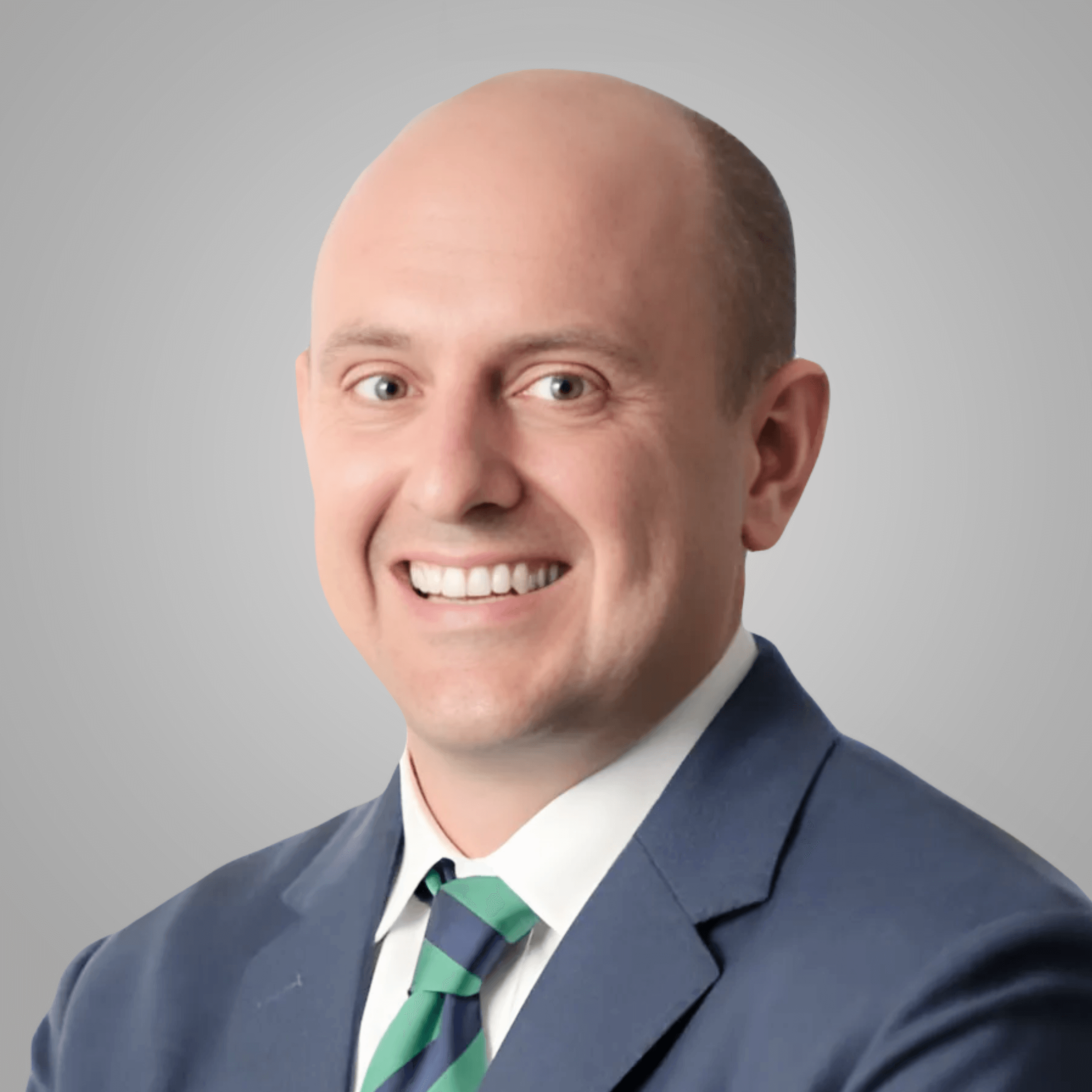
Peter is the first point of contact for investors at Grocapitus. He fields questions about the opportunity, the terms and the process, and he is on the webinar for the live Q&A. If you want to go deeper afterward, you can schedule a conversation with him directly.

Matt brings 20 years of large-scale construction delivery and technology innovation. He ran commercial projects with budgets up to $130 million at EMJ, Structure Tone and Gilbane, and holds a patent from an IoT energy platform he helped build at NRG. At FSSI he is focused on disciplined execution and growing recurring service revenue.

Tom leads Mercer Controls, which serves municipal water and wastewater utilities across South Texas. He brings more than 20 years in engineering, manufacturing and executive management, from chemical engineer at DuPont, Dow and BASF to Chief Commercial Officer at Solugen. Under him Mercer has expanded in SCADA, telemetry and field services.