
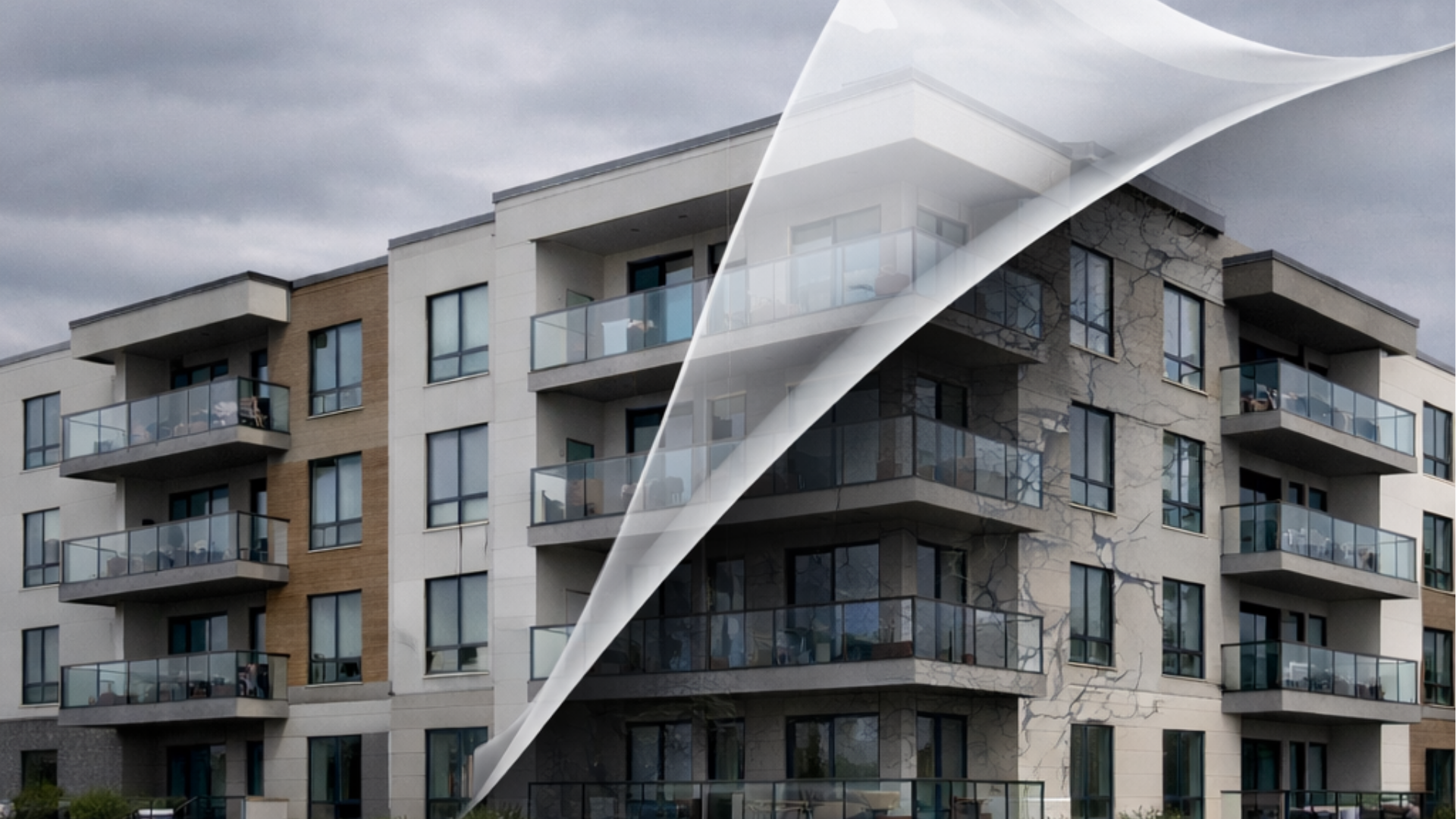
A quiet transformation is unfolding across multifamily properties in America. Leasing agents are being replaced by algorithms. Maintenance issues are being predicted before they occur. Pricing is no longer set by gut instinct but by machine learning models that analyze millions of data points.
We are entering the age of the AI Landlord—and the operators who embrace automation will dominate the 2026–2030 cycle.
The AI Takeover of Multifamily Operations
AI Leasing Agents Are Becoming the New Norm
AI-driven leasing assistants now convert prospects faster, respond instantly, and schedule tours around the clock. Early adopters are already seeing a 20–30% improvement in lead-to-lease conversion.
Neal's Take:
“The first operators to automate leasing will widen their margins so fast that competitors won’t even understand what happened.” class="bubble-triangle">

Geography Now Matters More Than Ever
Climate risk, regulation, and replacement costs vary dramatically by market. One-size underwriting no longer works.
Neal's Take:
“Every dollar saved in maintenance is a permanent increase to NOI. Automation is the most reliable source of cost savings we’ve ever seen.”
A property that avoids just two major HVAC failures per year can increase annual cashflow meaningfully.
Smart Pricing Replaces Human Underwriting
Machine-learning rent engines analyze:
-
Real-time demand signals
-
Competitor pricing
-
Seasonal patterns
-
Neighborhood-level absorption
-
Historical renewal behavior
The result? Pricing that reflects reality—not emotion or guesswork.
Neal's Take:
“Humans guess, AI measures. That’s why rent pricing algorithms outperform manual pricing in almost every market.”
Asset managers using AI pricing tools consistently achieve stronger revenue growth, even in slower markets.
AI Eliminates Operational Drag
Operational friction—missed calls, delayed renewals, manual inspections—is the silent killer of NOI. AI removes these choke points with:
-
Automated renewal workflows
-
AI-assisted resident communication
-
Digital inspection analysis
-
Maintenance routing algorithms
-
Sentiment scoring to prevent churn
Operators who fully implement these systems can reduce payroll, save time, and improve resident satisfaction simultaneously.
Neal's Take:
“Operational drag is the enemy of profit. AI is the most powerful drag-elimination tool the industry has ever seen.”
The Competitive Gap Is About to Explode
The adoption of AI in multifamily won’t be equal. Some operators will move aggressively. Others will hesitate. That hesitation will cost them.
We’re approaching a future where:
-
Automated properties run leaner
-
Leasing velocity improves
-
Pricing accuracy strengthens
-
Maintenance costs drop
-
Renewal retention rises
This creates a performance divide—and the market will reward the data-driven operators who embrace AI early.
Neal's Take:
“In 2026 and beyond, AI won’t be a competitive advantage. It’ll be the cost of entry. The operators who ignore it won’t be operators for long.”
Why Investors Should Pay Attention
Multifamily returns over the next decade won’t be driven by cap rates alone. They’ll be driven by operational efficiency, and AI is the most significant efficiency breakthrough since online rent payments.
Investors who align with AI-powered operators will benefit from:
-
Higher stabilized NOI
-
Lower operating expenses
-
Stronger rent optimization
-
Better resident retention
-
Greater recession resilience